





Hydrogeological Impact Appraisal HIA
A hydrogeological impact appraisal (HIA) is a methodology designed to fit into the Environment Agency’s abstraction licensing process, including the changes brought about by the Water Act 2003. It also fits within the Environment Agency's overall approach to environmental risk assessment and can be matched to the risk of environmental impact associated with dewatering.
The HIA should include a conceptual understanding of the groundwater system and a survey to identify water-related features that could be affected by the dewatering e.g. water supply boreholes, rivers and protected sites. The assessment is backed up by calculations of the dewatering rates and the predicted impact (groundwater level drawdown) on nearby water features. A tiered approach is taken, with the level of detail, time and cost depending on the sensitivity of the site (presence or absence of rivers, protected sites etc.) and the scale of dewatering.
For sites where high dewatering rates are needed and/or in sensitive areas, the HIA may require extensive ground investigation, water features survey(s), pumping test(s) and stream/spring monitoring. This is likely to take several months. Once the HIA is completed and submitted, the regulator has up to four months to assess the application.
Additional guidance on HIAs is available through the Environment Agency.
[edit] Related articles on Designing Buildings
- Dewatering construction sites.
- Environment Agency.
- Environmental impact assessment EIA.
- Groundwater.
- Groundwater control.
- Hydrogeology.
- Raising awareness of dewatering regulation.
- Water abstraction licence.
- Water impoundment licence.
[edit] External resources
Featured articles
Check out some of the best features and news from Designing Buildings as well as key stories from around the web.

New, more proportionate and targeted approach for higher-risk building assessments.

Government brings British Steel into public ownership.

UKCW Birmingham returns with bold new theme and focus.

New guidance published on competence requirements for self-certification schemes.
Construction Management, 8 July

NEETs crisis drives interest in trades, but apprenticeships barriers remain.
Passive fire protection webinar
MEP services penetration seals.

Where its at podcast (and video) - The role of the Architectural Technologist as an Expert Witness.
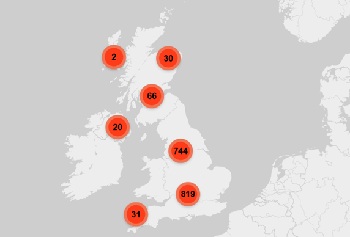
More than 200 remarkable buildings added to SAVE’s Buildings at Risk register.

Government scraps pre-application consultation for Nationally Significant Infrastructure Projects.
Historic England and infrastructure
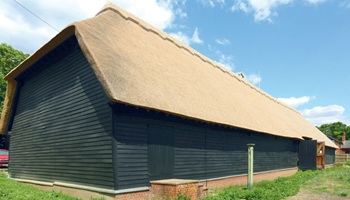
New projects offer opportunities for the historic environment and local communities.
Construction Management, 2 July

Construction deaths halve in two years.
Green Book changes to drive investment in all parts of UK.